


Specialising in precision, real-time, multi-beam sonar, Auckland-based Electronic Navigation Limited (ENL) provides the latest equipment for revealing the water column and seabed with three-dimensional imaging.
WASSP finds undiscovered World War 2 wreck on first outing
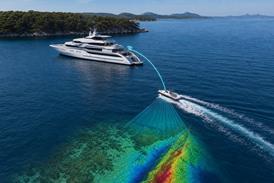
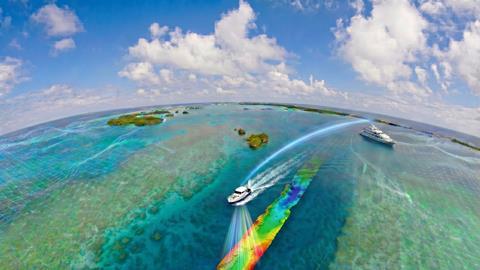
By combing the latest multi-beam technology, a newly installed WASSP sonar led its owner to an unchartered wartime wreck, showing the wreck’s shape and diving potential in graphic detail.
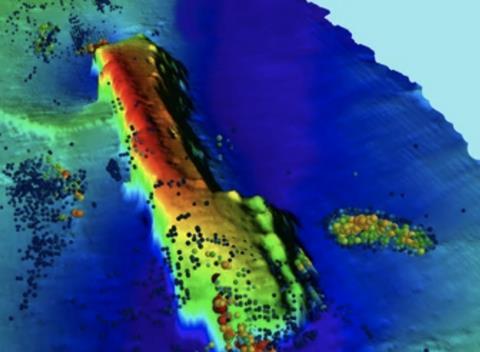
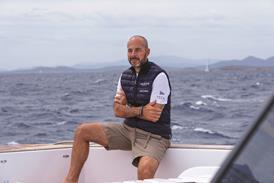
“We weren’t expecting to find the wreck,” said the delighted owner of a new WAASP W3 System. “But suddenly, there it was.”
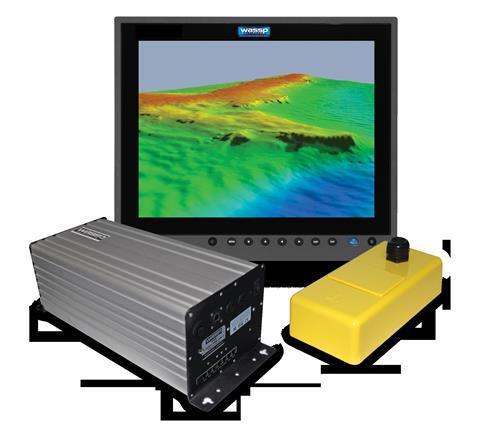
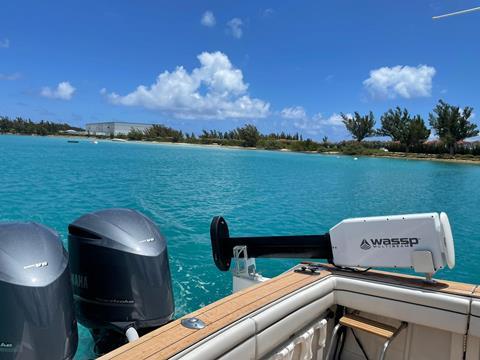
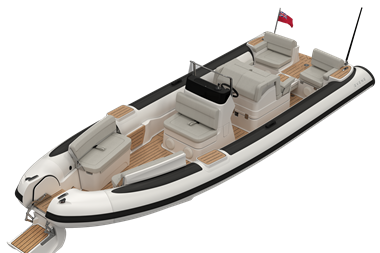
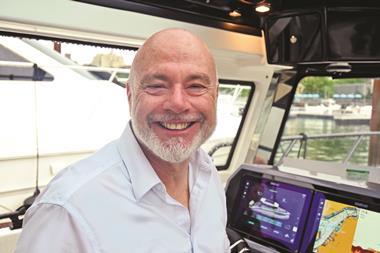
The owner had only just had his WASSP (Wide Angle Sonar Seafloor Profiler”) W3 installed and was on his very first trip with the system. He was sitting on the bridge of his yacht and watching the 3D images relayed from the tender as it scanned the seabed some distance away. Then something unusual appeared, a structure that did not look like rock, reef or anything else on his charts. It was a wartime wreck, and one that possibly had never been mapped before.
“The yacht owner did what any great explorer would,” said Electronic Navigation Limited’s (ENL’s) Cameron Hirst. “He called his friends to share the joy of the discovery, and the diving adventure it offered. Before long, a group had gathered to dive the site, the first people in decades to see it. When he later spoke with the WASSP team, his verdict was simple. The system had paid for itself on the first day. The expedition to the wreck had been an extraordinary experience, and it began with an unexpected picture on a screen.”
Eighty years in the making:
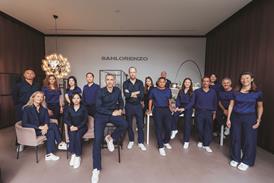
Electronic Navigation Limited, better known as ENL, was founded as a small New Zealand company in December 1945. Its early work was as varied as it was inventive: radio direction finders for fishing vessels and mainsheet horse release mechanisms for the racing sector. They also made fare meters for taxis. The common thread was a strong engineering base to find practical answers to real-world problems.
That mindset would define the company and gave ENL a deep, early connection with New Zealand’s fishing fleets. These operators who would later shape its most important product, the multibeam sonar.
In 1960, ENL became the New Zealand distributor for Furuno, the Japanese manufacturer that introduced the world’s first fish finder in 1948. The ongoing partnership remains central to ENL’s business at home.
As the Furuno relationship grew, other leading international brands also chose ENL to represent them in New Zealand and the Pacific. ENL became a major force in both the commercial and recreational marine sectors.
In the early 2000s, multibeam sonar was the preserve of large survey vessels and research institutions. Cost-effective 3D seabed mapping for everyday operators was still considered out of reach.
ENLs MD Gareth Hodson, then a young ENL sales manager, was approached by a Mr McCrae, a fisherman who was frustrated by the time and fuel lost searching for productive crayfish grounds. ENL’s engineers were already developing a multibeam system to be designed and built entirely in Auckland, and the cray fleet was the ideal early adopter. After several rounds of testing and transducer refinement, McCrae had a tool that gave his operation a clear advantage. When he bought his second boat a several years later, the first thing he installed was a WASSP.
Furuno’s head office recognised the significance of the WASSP technology, developed by and made a substantial investment in it. Today WASSP is part of the Furuno group, combining New Zealand engineering with one of the most established global networks in marine electronics.
Official launch
WASSP was first launched internationally at SMM (Shipbuilding, Machinery and Marine) expo in Hamburg in September 2006. The founding idea of WASSP was bold, namely, to put a wide, real-time picture of the seabed and water column into the hands of operators who had never had access to multibeam.
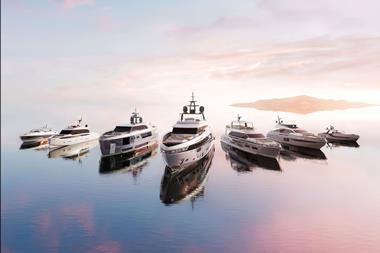
The third-generation system (W3), built on a digital platform, unlocked rapid growth. Backed by ENL’s international connections and the Furuno network, WASSP found a strong route to market. Fishing fleets were soon joined by hydrographic survey teams, research organisations, and defence users. The W3 version was then developed specifically for the owners of expedition superyachts.
Twenty years on, WASSP has delivered thousands of systems in more than 40 countries. It offers three product lines, a range of feature licences and a dealer network covering every major marine region. In some sectors its position is commanding. For example, WASSP holds around 80% of the Australasian lobster fishing market.
“When we launched at SMM in 2006, multibeam was largely the preserve of large survey vessels and research institutions,” said Cameron Hirst, Marketing Manager at WASSP. “Our goal was to put that same level of insight into the hands of everyday operators. That founding mission hasn’t changed – to provide better decisions through better visibility.”
The next chapter
The wreck discovery shows how far that mission has travelled. A technology first built to help a cray fisherman find productive ground now helps yacht owners to explore, survey teams to map, and divers to find marine archaeology, much of which has lain unseen for over 100 years or more.
“Demand for accurate, real-time seabed insight keeps growing across fishing, survey, defence, research and yachting,” said ENL’s MD Gareth Hodson. “Our 80 years of history have built the foundations. Going forwards, our engineering capability, global partnerships and a habit of solving problems will help the operators we serve.”
The next step is already close. At Metstrade 2026, WASSP plans to unveil a new product that takes its multibeam technology in an exciting new direction and adds to the ecosystem of WASSP products.
“The next chapter is about extending our visibility into new markets and new missions,” said Gareth Hodson, Managing Director. “We’re only getting started.”
WASSP will be on display at booth 08.630 in the Superyacht Zone.

 LinkedIn
 X / Twitter
 Facebook
 Email us